




Languages were less harshly graded at GCSE this year, but there is still some way to go
GCSEs in modern foreign languages have historically been severely graded. We look to see if anything has changed with the introduction of new specifications.
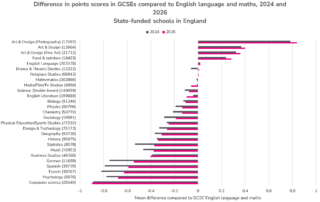
GCSEs in modern foreign languages have historically been severely graded. We look to see if anything has changed with the introduction of new specifications.
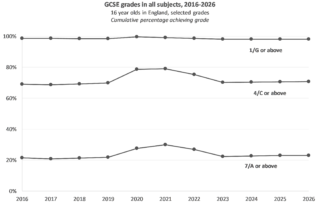
Our round up of everything you need to know about the 2026 results.
Our usual round-up of everything we'll be looking out for on GCSE results day 2026
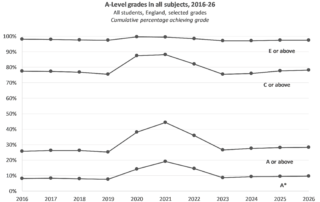
Our round up of everything you need to know about the 2026 results.
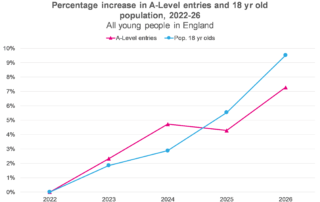
Our usual round-up of everything we'll be looking out for on results day 2026.
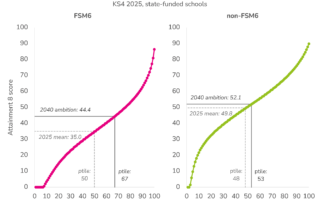
Quantifying the level of challenge in the Government's twin ambitions of raising Key Stage 4 attainment overall and halving the disadvantage gap
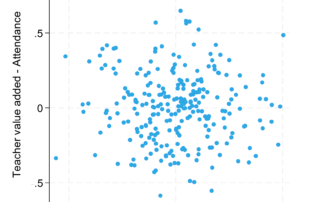
The findings from new research suggest that there are strong teacher effects on attainment in maths and reading at primary, but not necessarily on attendance.
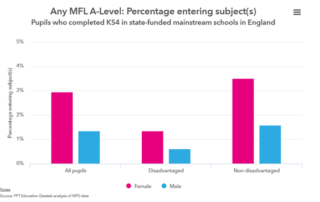
We look at the numbers of students studying modern foreign languages at A-Level by gender, ethnicity and disadvantage.
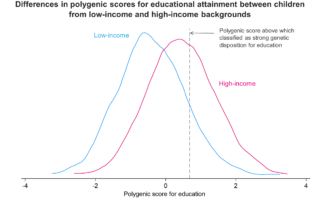
Recent research allows us to ask new questions about how children differ in their educational development and what this does – and does not - mean for schools.