




Exclusions and suspensions in 2025/26
An update to our regular series using attendance data to gauge the rate of exclusion and suspension in the whole of the 2025/26 academic year.
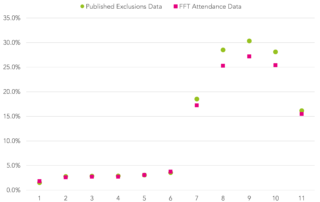
An update to our regular series using attendance data to gauge the rate of exclusion and suspension in the whole of the 2025/26 academic year.
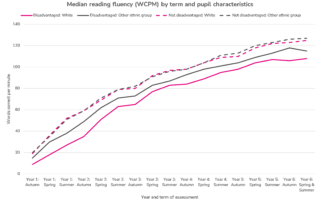
The Inquiry into White working class educational outcomes recommended making reading fluency at primary school a national priority for White working class children. We dig into the data from the Reading Assessment Programme to analyse fluency among this group.
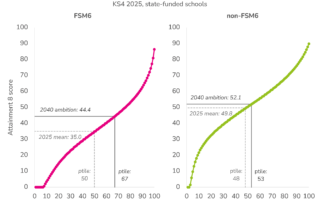
Quantifying the level of challenge in the Government's twin ambitions of raising Key Stage 4 attainment overall and halving the disadvantage gap
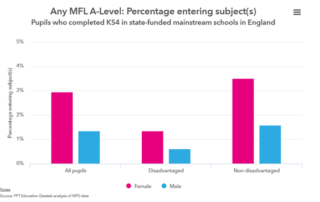
We look at the numbers of students studying modern foreign languages at A-Level by gender, ethnicity and disadvantage.
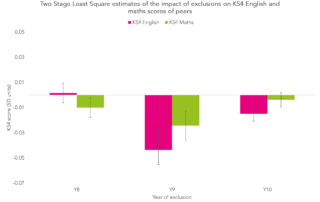
A summary of some new research examining how the timing of excluding disruptive pupils affects the outcomes of peers at the same school.
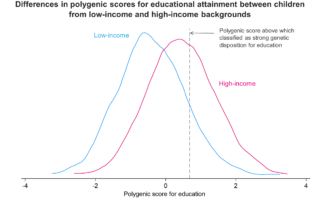
Recent research allows us to ask new questions about how children differ in their educational development and what this does – and does not - mean for schools.
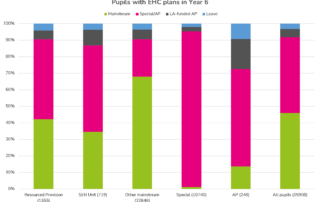
We look at how identification of SEN changes from Year 6 to Year 7, and the types of school that pupils move into.
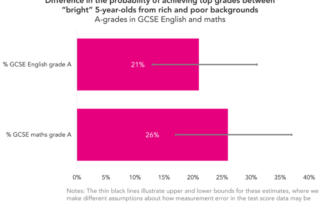
This post brings together some of the “greatest hits” from across the project, highlighting a selection of the findings that stood out most over the course of the research.
Low attainment in Key Stage 2 reading tests does not necessarily lead to poor outcomes at secondary school, but it does increase the chances of poor outcomes.