




Exclusions and suspensions in 2025/26
An update to our regular series using attendance data to gauge the rate of exclusion and suspension in the whole of the 2025/26 academic year.
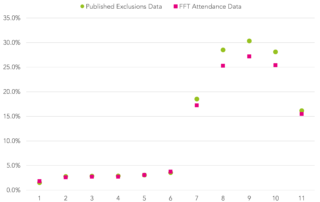
An update to our regular series using attendance data to gauge the rate of exclusion and suspension in the whole of the 2025/26 academic year.
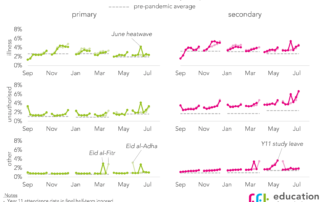
Using the latest data from FFT Attendance Tracker, we look at attendance across the 2025/26 academic year, including increased rates of absence in the lead-up to the summer holidays
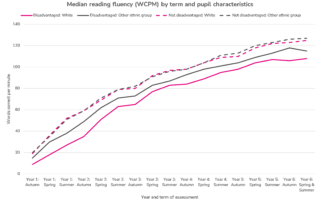
The Inquiry into White working class educational outcomes recommended making reading fluency at primary school a national priority for White working class children. We dig into the data from the Reading Assessment Programme to analyse fluency among this group.
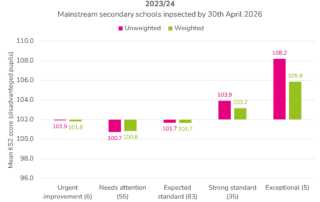
Recent Ofsted analysis showed that achievement grades in inspection were related to the attainment of disadvantaged pupils. We dig into this a bit more.
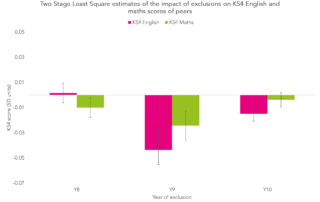
A summary of some new research examining how the timing of excluding disruptive pupils affects the outcomes of peers at the same school.
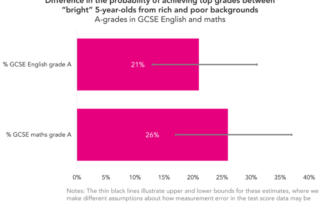
This post brings together some of the “greatest hits” from across the project, highlighting a selection of the findings that stood out most over the course of the research.
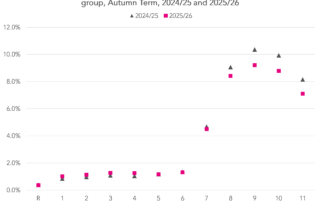
Early signs for 2025/26 suggest that suspensions are continuing to fall from their 2023/24 peak
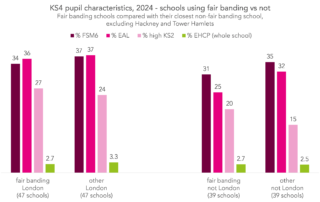
In collaboration with TES magazine last year, we analysed the characteristics of pupils in schools which used banding tests in their admissions processes. Here we set out our full methodology and findings.
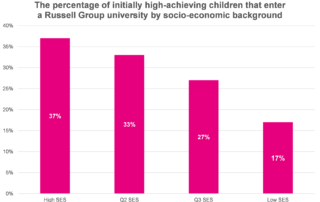
We explore how many disadvantaged children who shine in primary school go on to convert that promise into strong GCSEs, A-levels and selective university entry.