


Exclusion and suspension rates in Autumn and Spring term 2023/24
Based on our analysis of attendance registers, rates of exclusions and suspensions in autumn and spring terms 2023/24 were higher than last year
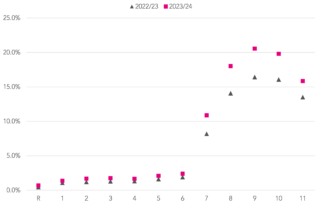
Based on our analysis of attendance registers, rates of exclusions and suspensions in autumn and spring terms 2023/24 were higher than last year

The highlights from a newly published report into the secondary school outcomes of pupils who were excluded during primary school. The research was conducted by Datalab on behalf of the charity Chance UK.
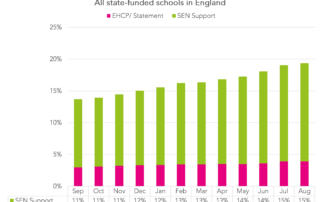
Summer born pupils are more likely to have EHC plans than Autumn born pupils. We look at whether this fact could be used to explore the relationship between EHC plans and exclusions.
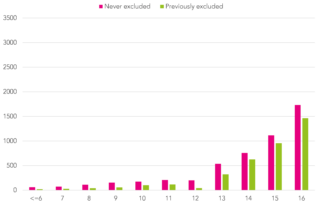
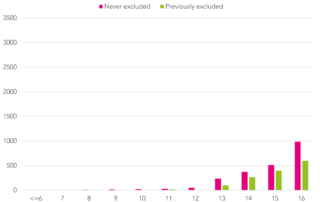
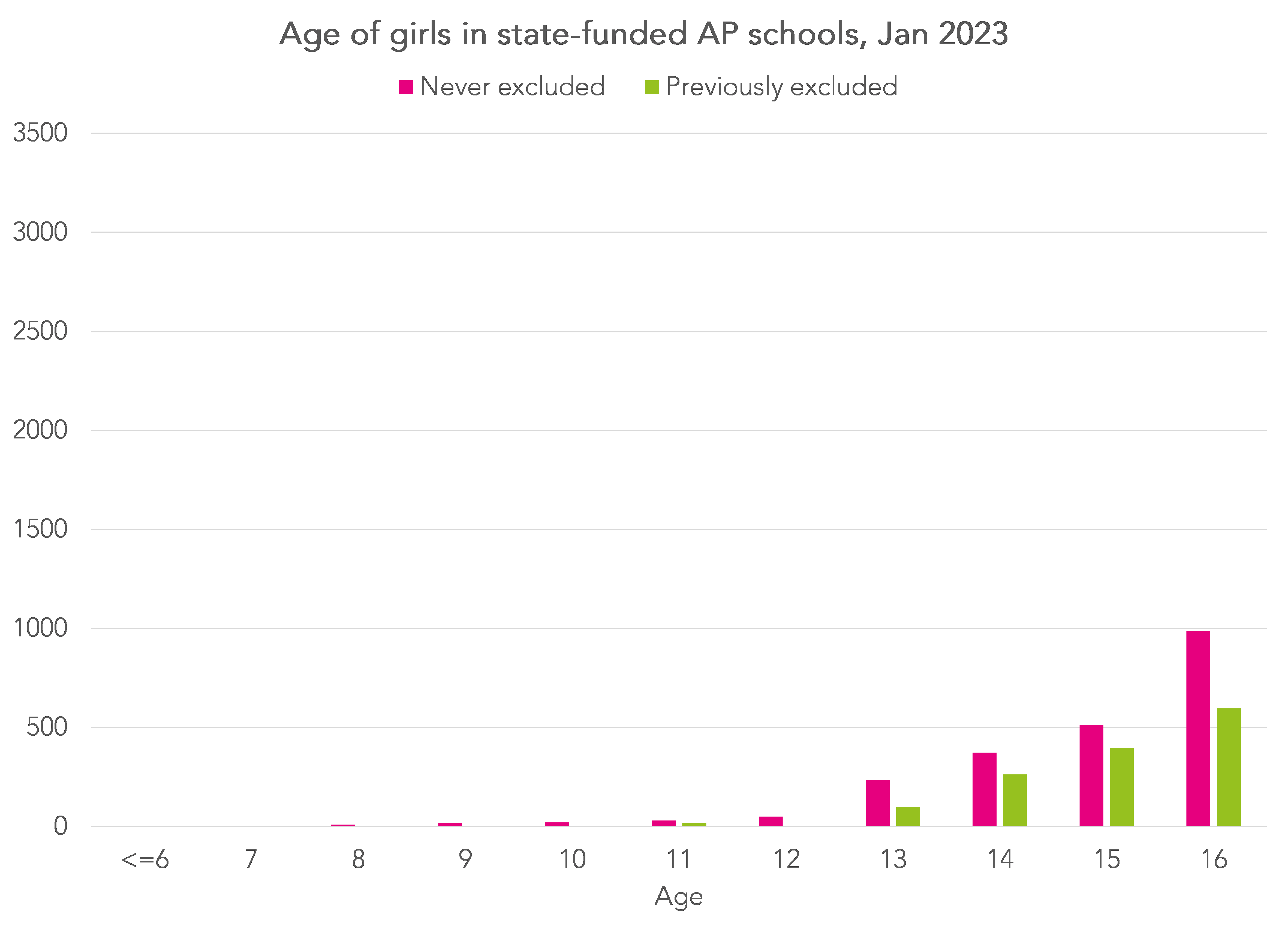
State-funded alternative provision (AP) schools are often thought of as schools for excluded pupils but fewer than half of pupils on roll have been.
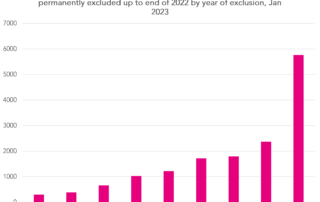
Less than half of pupils of compulsory school age in 2022/23 who had previously been permanently excluded were enrolled at state-funded mainstream or special schools.
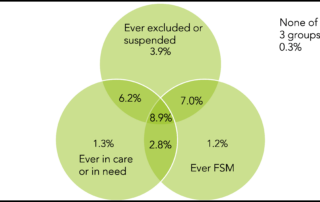
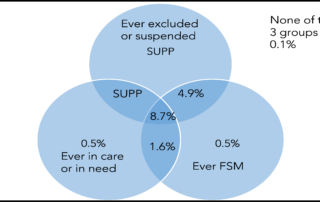
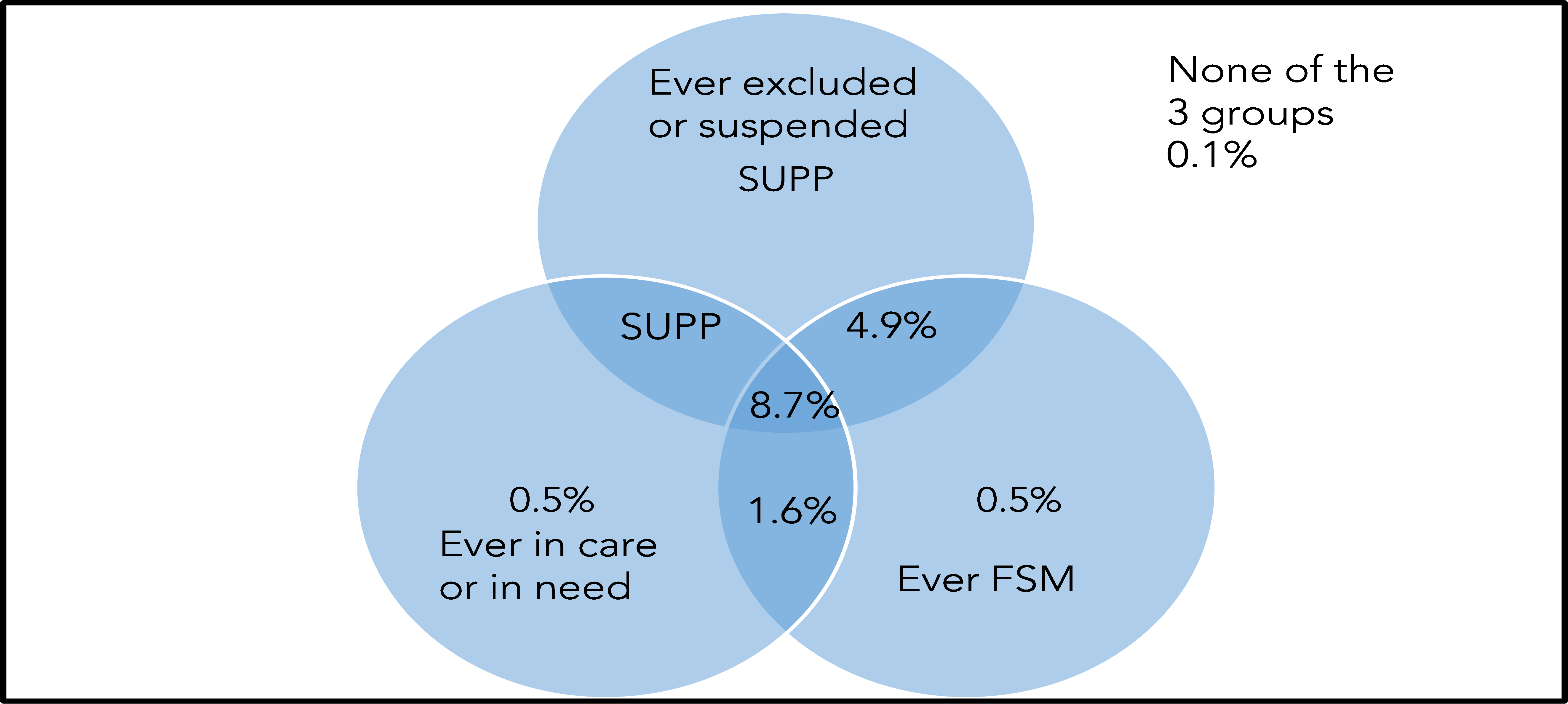
Pupils with a history of exclusion or suspension at primary school, a history of involvement with social services and a history of disadvantage are at greatest risk of exclusion during secondary school
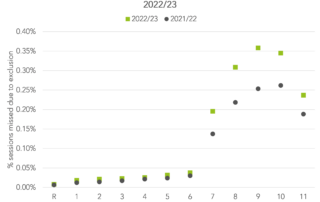
Analysis of schools' attendance registers for 2022/23 suggests there has been an increase in absence due to exclusion / suspension (code E), particularly in Years 9 and 10.
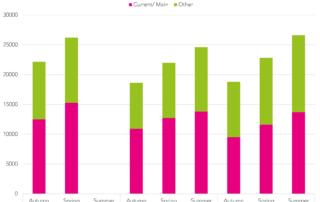
Official statistics under-report the number of young people placed in Alternative Provision schools
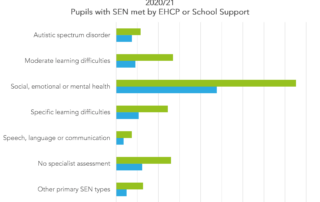
Ahead of publication of exclusions data for 2021/22, we examine some lesser known features of the relationship between SEN and permanent exclusion