




Pupil absence during the heatwave
We look at how much school pupils missed during last week's heatwave, and how much of it was due to school closures.
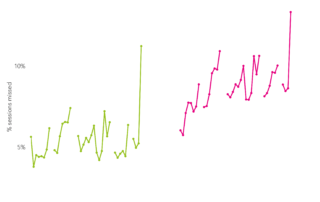
We look at how much school pupils missed during last week's heatwave, and how much of it was due to school closures.
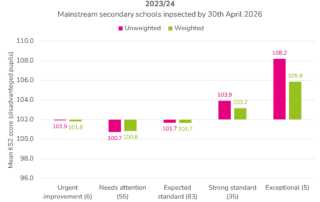
Recent Ofsted analysis showed that achievement grades in inspection were related to the attainment of disadvantaged pupils. We dig into this a bit more.
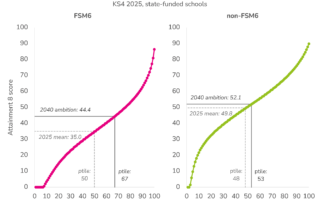
Quantifying the level of challenge in the Government's twin ambitions of raising Key Stage 4 attainment overall and halving the disadvantage gap
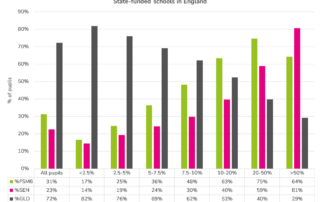
We look at the relationship between Key Stage 2 attainment and absence over (almost) the whole of primary school but also show the importance of considering context when interpreting attainment data alongside absence data.
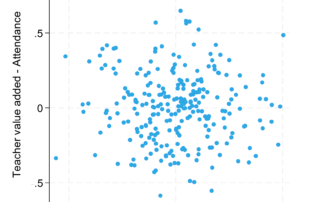
The findings from new research suggest that there are strong teacher effects on attainment in maths and reading at primary, but not necessarily on attendance.
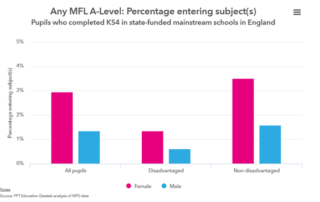
We look at the numbers of students studying modern foreign languages at A-Level by gender, ethnicity and disadvantage.
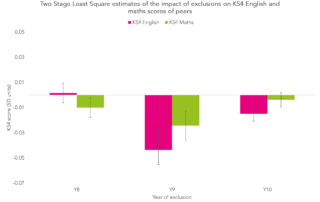
A summary of some new research examining how the timing of excluding disruptive pupils affects the outcomes of peers at the same school.
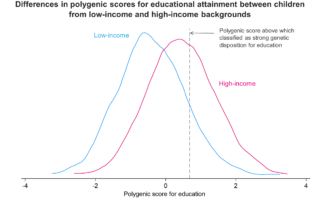
Recent research allows us to ask new questions about how children differ in their educational development and what this does – and does not - mean for schools.
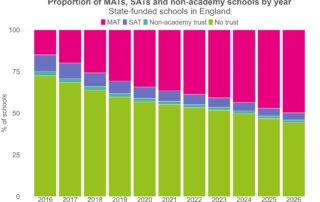
According to the schools white paper, all schools will eventually be part of a trust. We look at the current situation.